
Author: Satu Huuhka, Tampere University
ReCreate’s Finnish cluster announces the completion of its third mini-pilot! You can read about the first one here and the second one here.
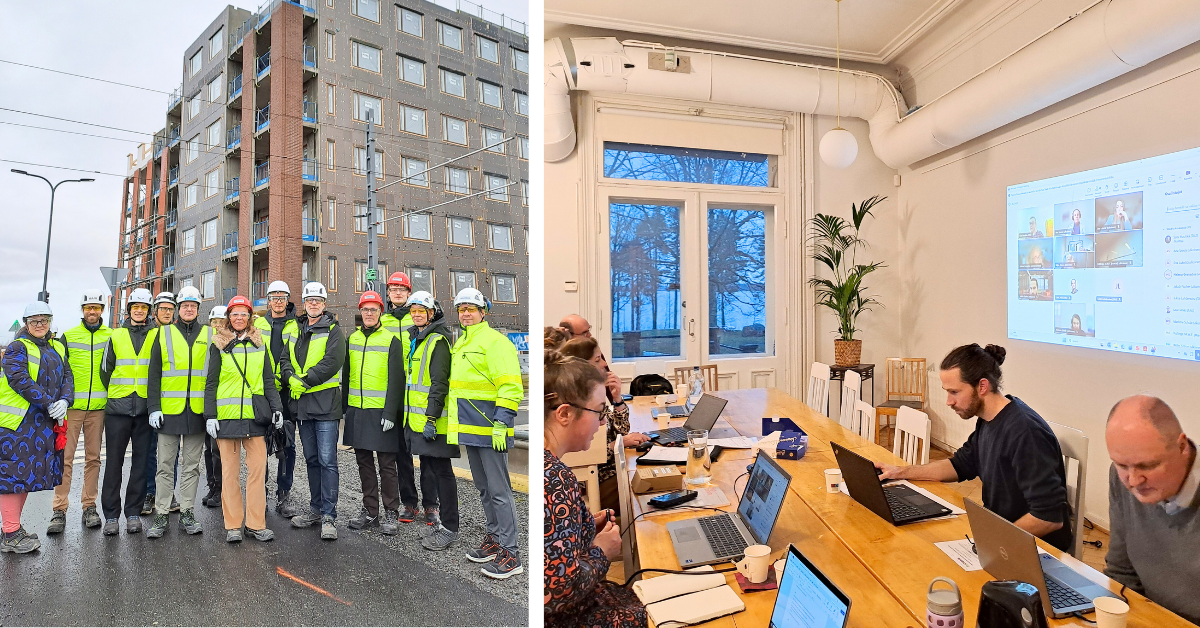
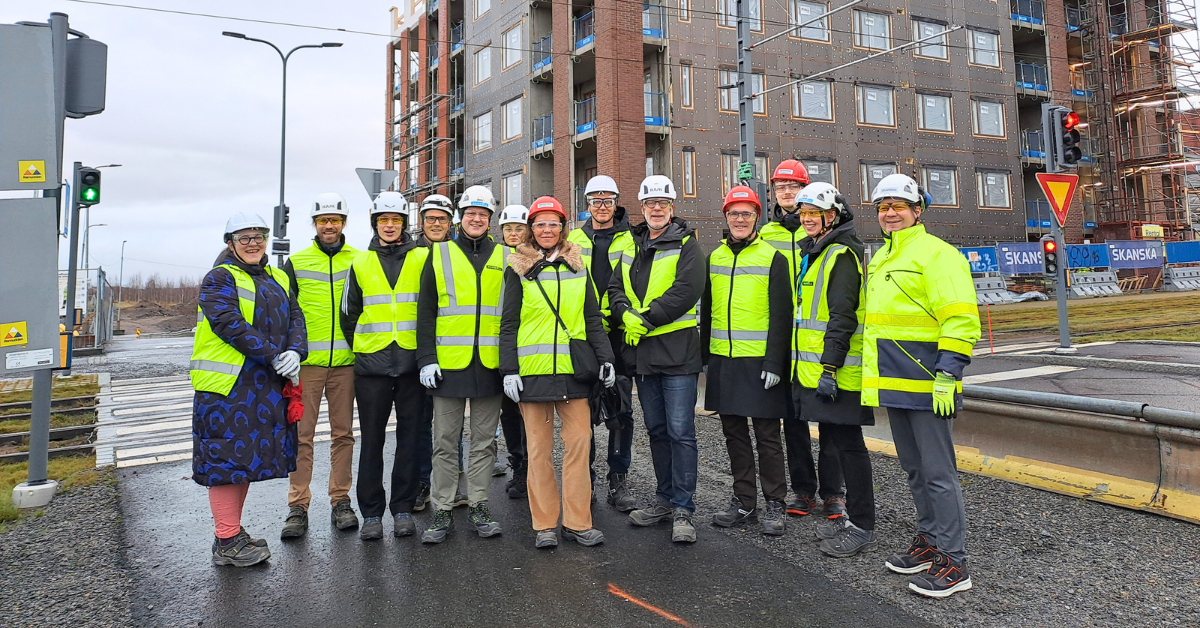
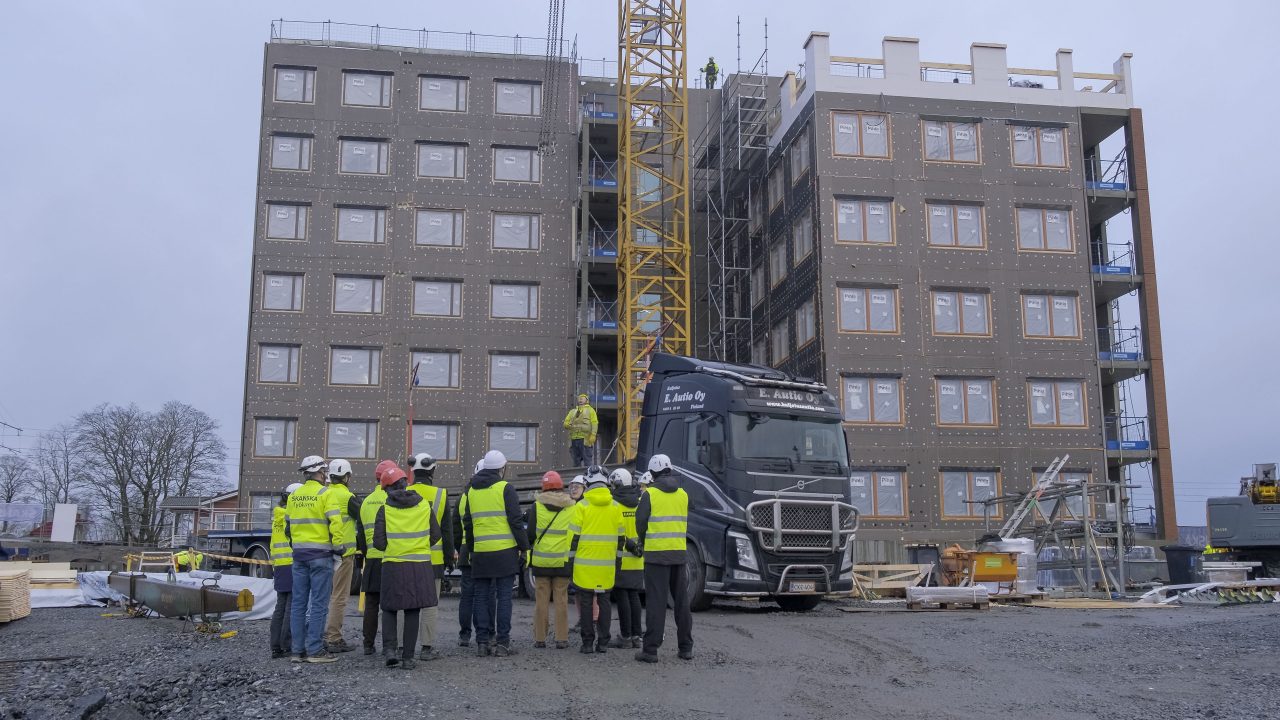
The third Finnish mini-pilot was built during autumn-winter 2025, with the last reused elements installed in December. Like the first mini-pilot, this building is also a block of flats. It was built by Skanska in the new Tampere district Hiedanranta, with the housing provider ‘TA’ as the client. It involves 55 reused elements originating from the project’s donor building: 35 hollow-core slabs, 13 columns and 7 beams. As was for the second mini-pilot, Ramboll Finland acted as the responsible structural designer, and the elements were refurbished by Consolis Parma.
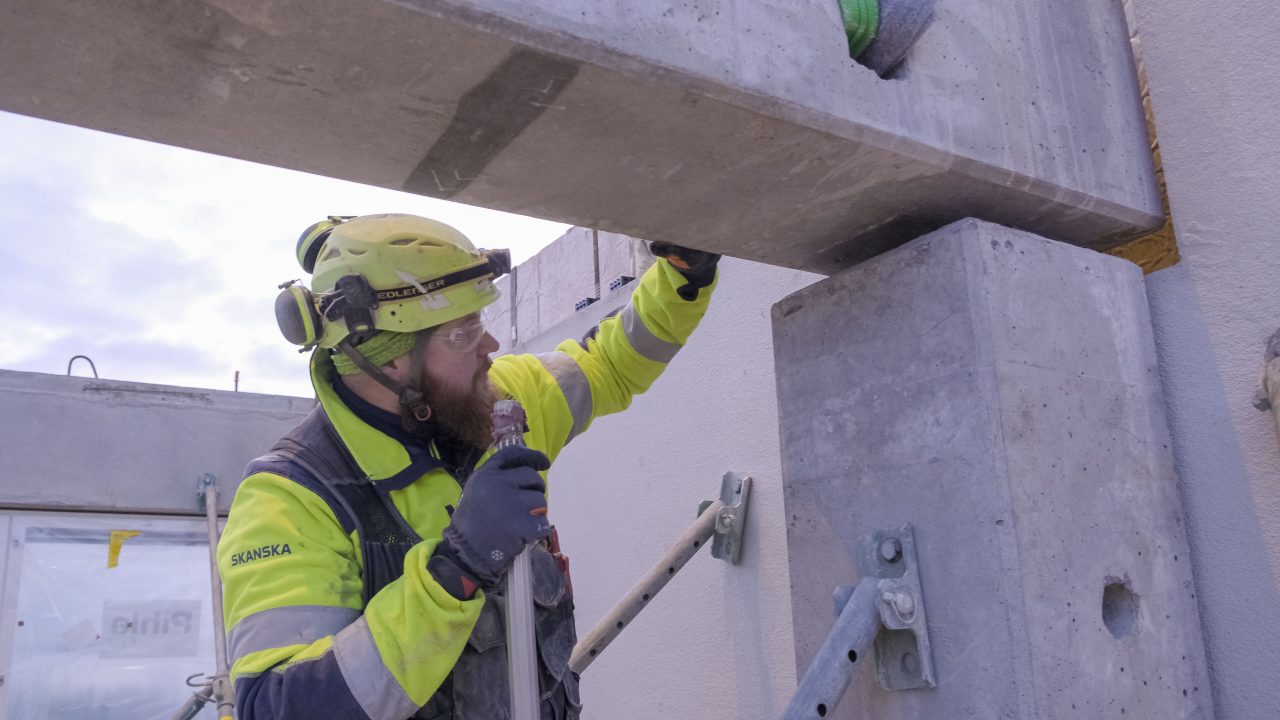
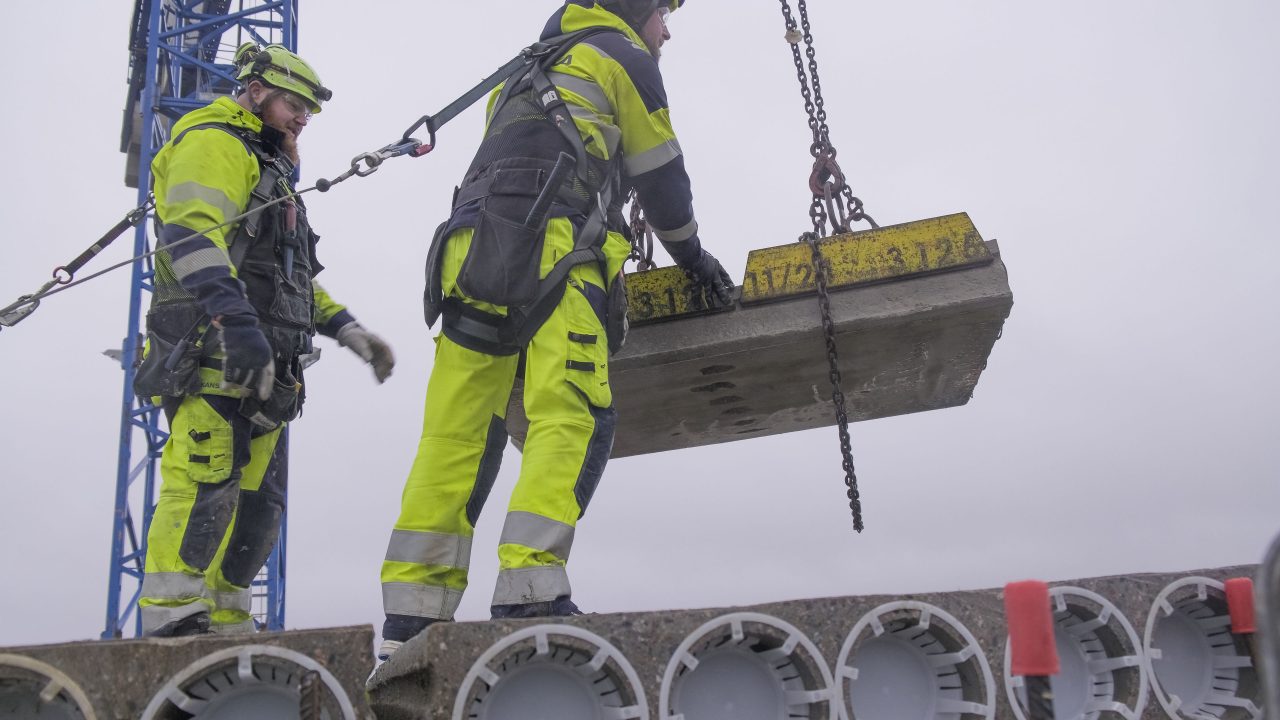
For hollow-core slabs, the reuse application was slightly different from previous. Whereas the first mini-pilot reused these types of elements as floors for residential spaces, this time they were mainly employed in the ceilings. Despite the distinct conditions, the mini-pilot provided no new major observations regarding reuse of hollow-core slabs vis-à-vis to the learnings acquired already in the previous pilots. The replication nevertheless served the important purpose of routine creation for the involved ReCreate companies, which is a prerequisite for mainstreaming reuse as a part of regular business operations.
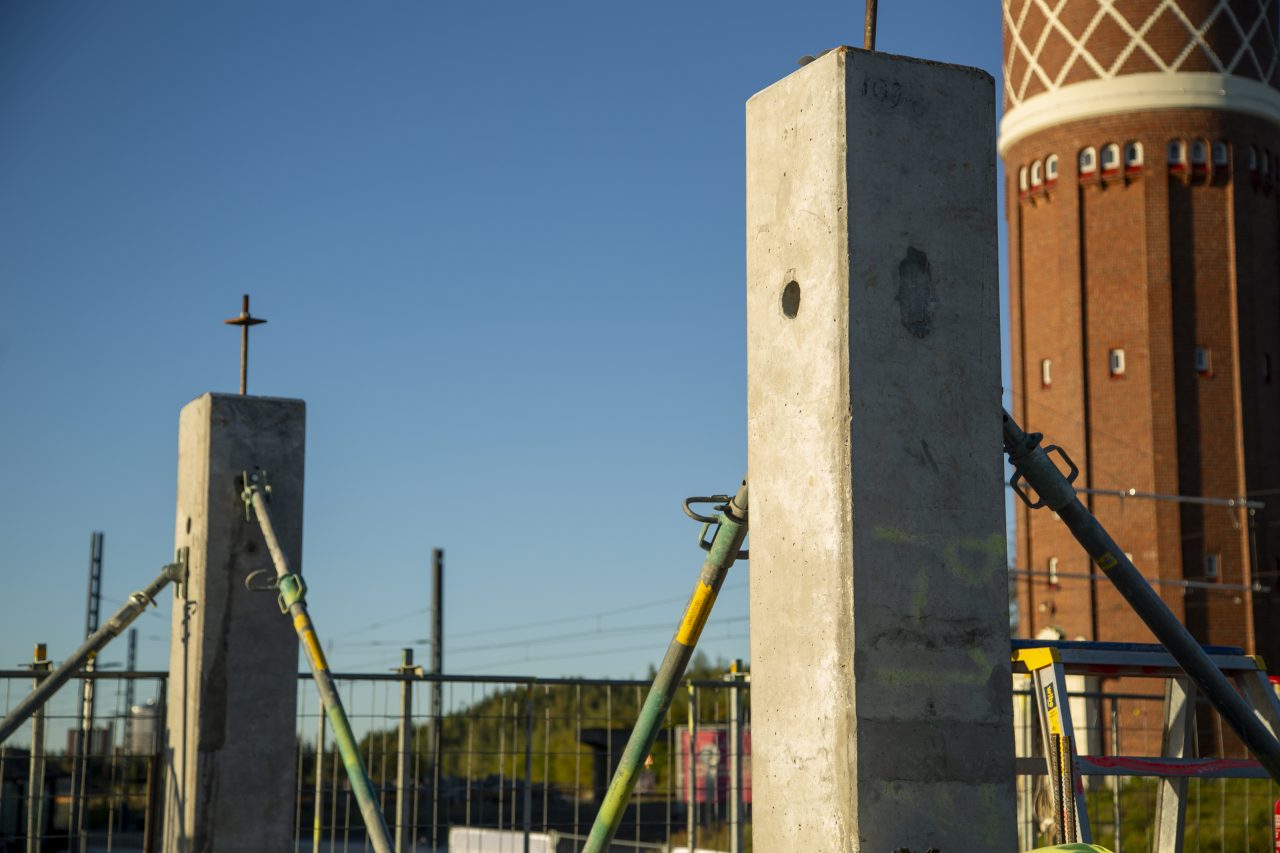
This mini-pilot was, however, the first time that columns and beams reclaimed from ReCreate’s Finnish donor building were reused, even if in small numbers. Some learnings were acquired, but the practical conditions of the housing project also limited what could be achieved. Because there was no aim in the project for an open or adaptable floor plan, there was no architectural benefit to using columns instead of load-bearing walls. However, it still was an opportunity to test the columns and beams in a multi-storey building from a structural perspective.
Regarding hollow-core slabs, all the mini-pilots together validated the fact that at the construction site, their reuse is no different from using virgin elements. This is great news business-wise, as this kind of observation can lower the adoption threshold for construction companies, and hollow-core slabs could be a ‘low-hanging fruit’ of precast concrete reuse. Nevertheless, it should be noted that despite their seeming simplicity, hollow-core slabs are highly optimised engineering products, with little structural margin. Thus, their reclamation and quality management call for in-depth expertise about their structural behaviour.
Moreover, both the first and the third mini-pilots demonstrated the economic viability of reusing precast concrete elements in the context of affordable housing projects, which come with tight budgetary conditions.
ReCreate’s Finnish cluster is formed by Tampere University, Skanska, Consolis Parma, Ramboll Finland, Umacon, LIIKE architects, and the City of Tampere.
Video & photo credit:
Creamframe / Mikko Laaksonen
Tampere University / Eetu Lehmusvaara