Reusing precast concrete for a circular economy
Activities
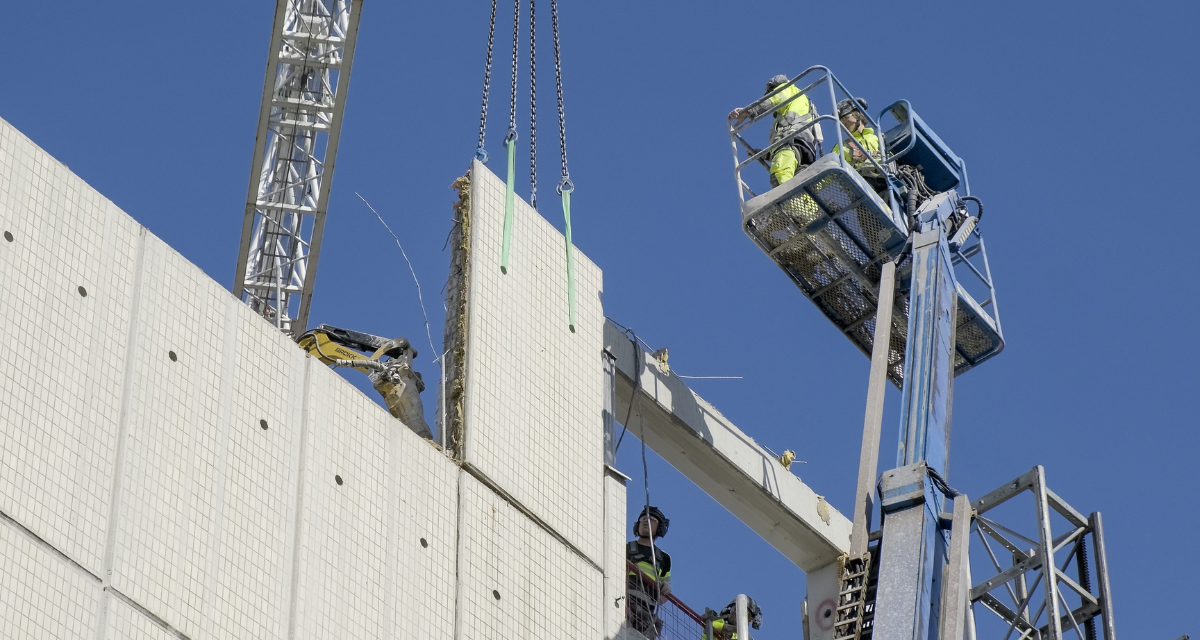
After more than five years of research, technical development, real-life demonstrations and collaboration across the construction value chain, the Horizon 2020 project ReCreate – Reusing precast concrete for a circular economy officially concludes on 30 September 2026. ReCreate started on 1 April 2021 with a clear objective: to investigate how precast concrete elements from existing […]
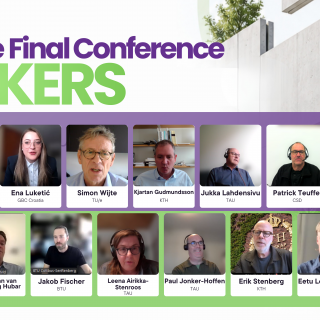
The ReCreate Final Conference took place online on 23 September 2026. Over three hours, the project partners showed what came out of five years of work on reusing precast concrete elements. They also discussed what still has to change for reuse to become normal practice. The conference was organised by GBC Croatia and brought together […]
The ReCreate project is coming to its final conference, bringing together the key results, experiences and lessons learned from several years of research, development and demonstration work on the reuse of precast concrete elements. ReCreate explores how precast concrete elements from existing buildings can be identified, deconstructed, assessed, documented, redesigned and reused in new construction. […]
Events
The ReCreate Final Conference took place online on 23 September 2026. Over three hours, the project partners showed what came out of five years of work on reusing precast concrete elements. They also discussed what still has to change for reuse to become normal practice. The conference was organised by GBC Croatia and brought together […]
ReCreate
Most used construction material
Bridge the knowledge gaps
Importance of ReCreate
Project goals
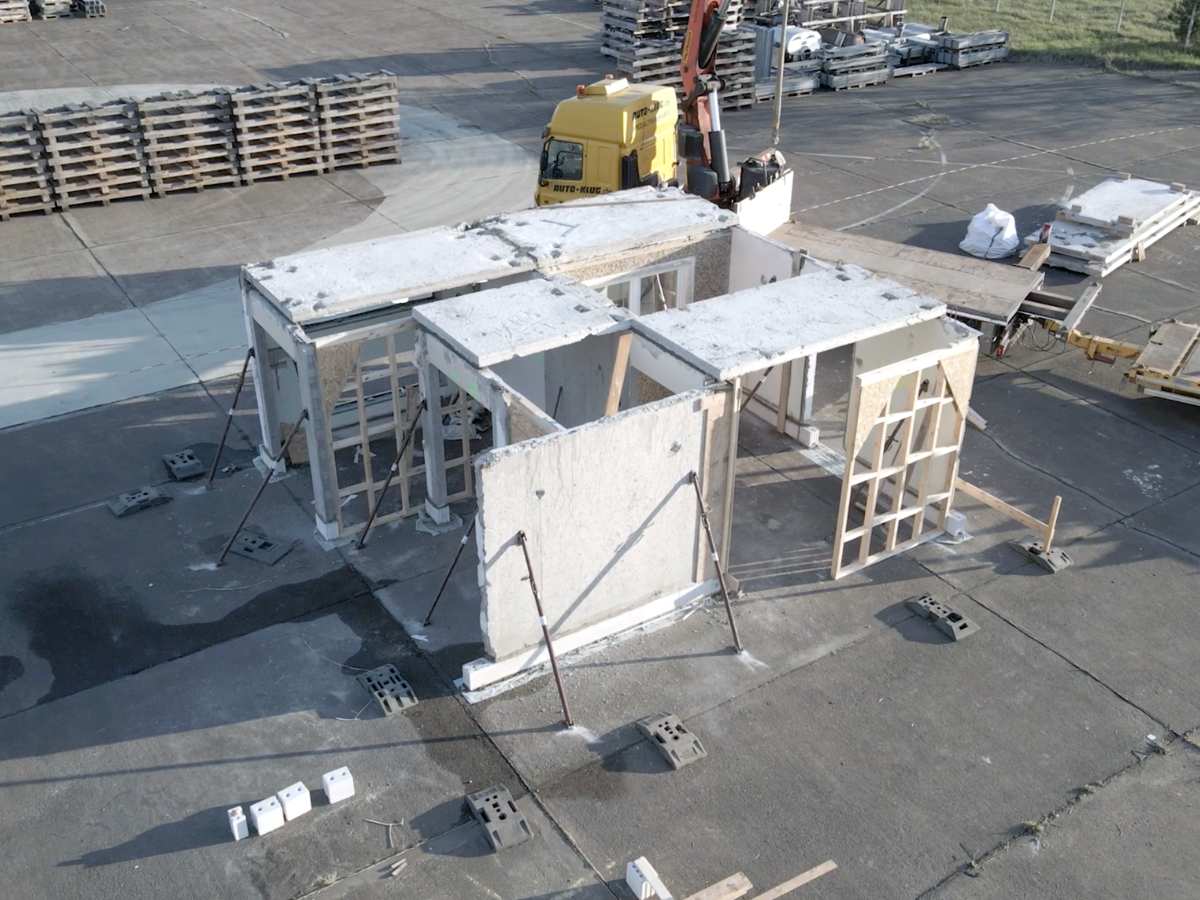
ReCreate aims to bridge the knowledge gaps hindering the approach from reaching maturity as a socio-technical process by using the innovative pilots to explore, develop and demonstrate various national value chains, business models, legislation obstacles (e.g. building vs. waste legislation), as well as diverse building stocks with different kind of representative construction technologies, building types and sizes, and ownership structures.